How SunCore Energy reduced asset downtime by 38% with TerawattOS
Remote solar farms in northern Ghana, wind installations in Kaduna, battery storage units in rural electrification micro-grids — these assets live in environments where 4G coverage is intermittent at best, satellite internet is expensive, and fibre is a decade away.
Adaeze Okonkwo, Head of Operations, SunCore Energy3 mins readMarch, 2026
All Articles
When SunCore Energy closed their Series B and committed to a rapid portfolio expansion across Nigeria and Ghana, their operations team was managing four solar farms from a combination of vendor dashboards, exported CSV files, and a well-worn spreadsheet their lead engineer had built over three years. It worked — barely — at four sites. It had no chance at fourteen.
The friction points were everywhere. Performance data lived in six different systems. When a string went down at their Kano facility, the alert came through a vendor email that went to one engineer's personal inbox — who was on leave. By the time anyone noticed, the site had been underperforming for 11 days. The financial impact was material. The operational cost of not knowing was becoming impossible to absorb.
38%
Reduction in total asset downtime within six months of deploying TerawattOS across all 14 SunCore sites.
Image courtesy of Terawatt
Selecting TerawattOS
SunCore's team evaluated three platforms over eight weeks. Their requirements were specific: multi-site support with normalized performance comparison, role-based access for their growing team, a mobile experience for field technicians, and no dependency on a single inverter vendor. TerawattOS was the only platform that met all four without requiring custom integration work.
"The SunSpec compatibility out of the box was the dealbreaker. We have SolarEdge at five sites and SMA at four others. Every other platform wanted us to pick one and build a connector for the rest."
Implementation: 3 weeks to full fleet visibility
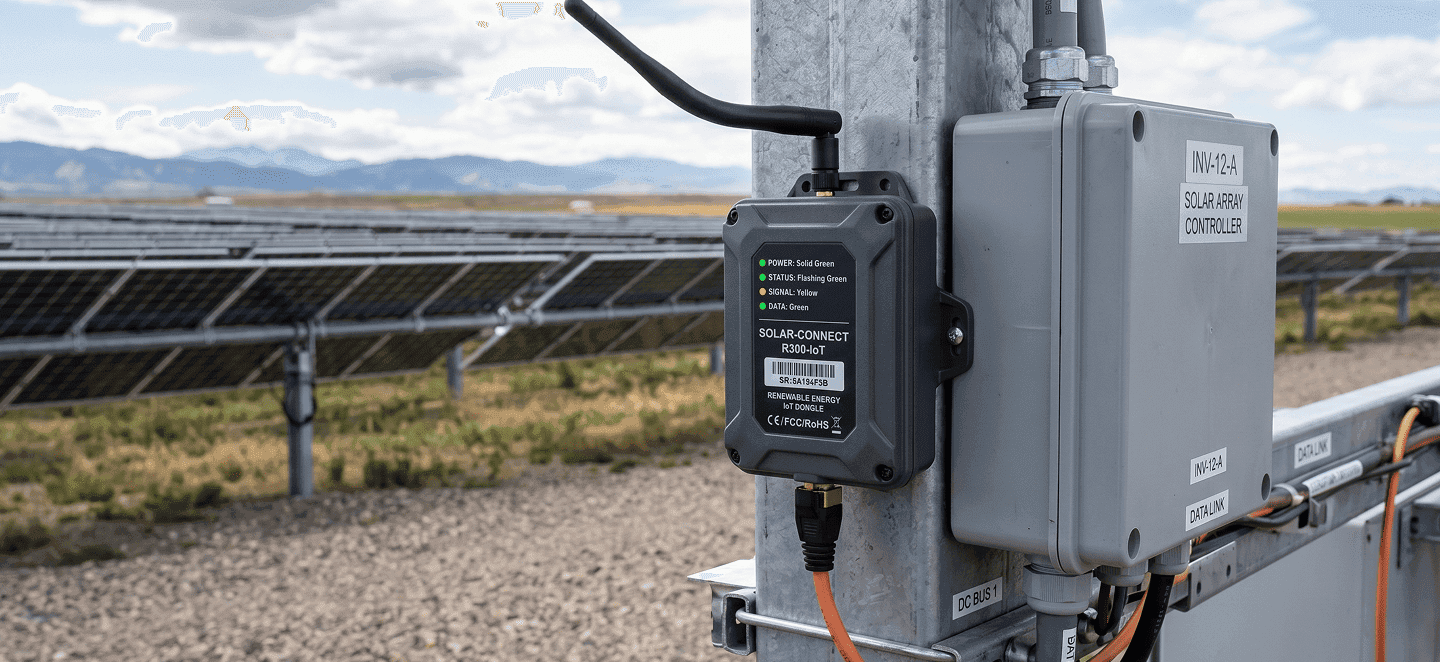
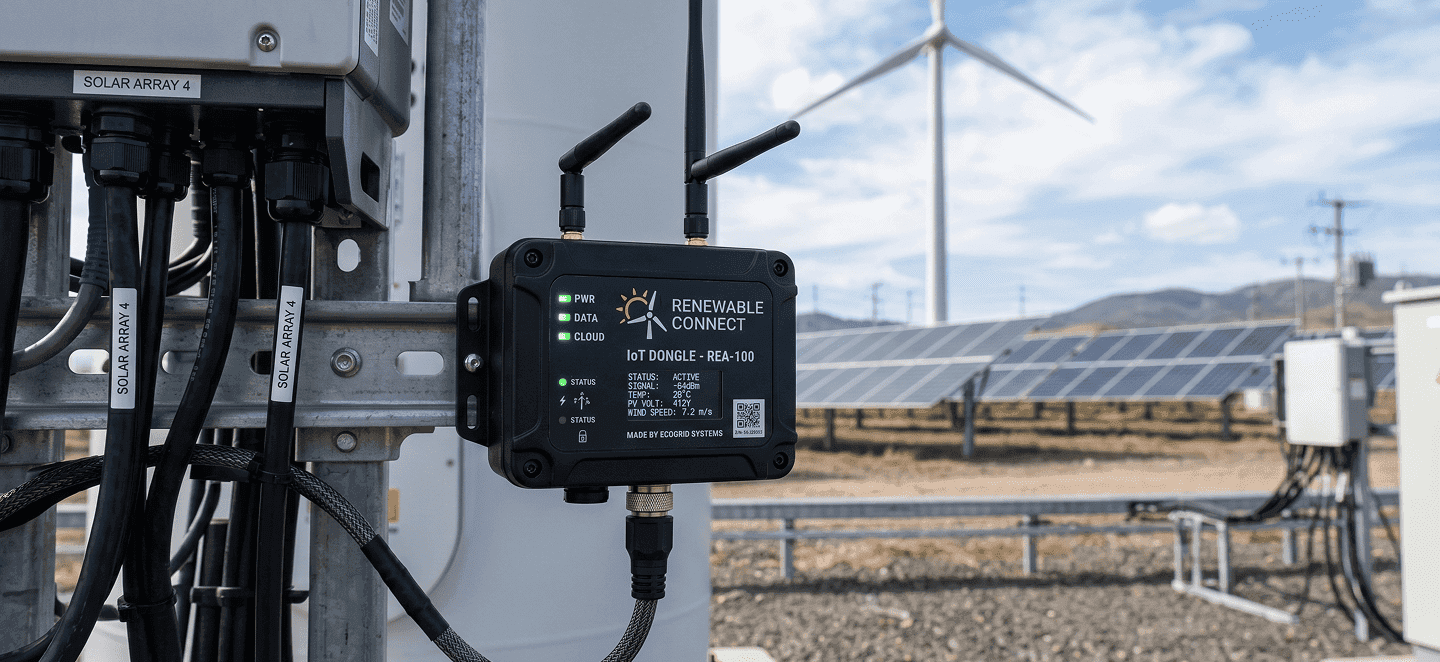
SunCore's pilot covered three sites. Terawatt Edge dongles were installed by their existing field team using the guided commissioning wizard — no specialist contractors needed. The firmware configuration process, which the team had dreaded, took between 40 and 90 minutes per site depending on inverter count.
By day 21, all three pilot sites were streaming live telemetry. The performance comparison view — showing normalized kWh/kWp across sites for the first time — immediately surfaced a discrepancy at their Ogun site that had been invisible for months.
What they found in the first 30 days
Ogun facility producing 14% below expected yield due to an underperforming string cluster — subsequently identified as a shading issue from vegetation growth that had never been flagged
Three inverter communication faults at Kano that had been silently logging errors for weeks without triggering any alert in the vendor dashboard
Battery discharge cycle patterns at their Lagos hybrid site that were reducing cycle life — resolved through a dispatch schedule adjustment in TerawattOS
The results at 6 months
SunCore rolled out to all 14 sites over the following 10 weeks. The operational impact was measurable within the first full quarter.
42%Truck roll reduction
-65%Mean time to resolve
+3.8%PR improvement
−30%NOC team size (same throughput)
On this page
Related
Meridian Power's 12-site deployment
Case study3 mins readJan, 2026
State of Distributed Energy Management 2025
Report5 mins readJan, 2026
From raw telemetry to actionable insight
Blog5 mins readJan, 2026
Become the next success story
See TerawattOS live and discover what's possible for your portfolio.